
You know, sometimes a story hits you so hard it feels like a punch to the chest, and Emily Willis’ locked-in syndrome is exactly that kind of heartbreak. Her ex-partner Mike Majlak recently admitted her condition is “bad,” and when you realize this 26-year-old woman is now trapped inside her own body, fully conscious but unable to move or speak, it’s the kind of tragedy that leaves you speechless. What makes it even more devastating is her family’s belief that this entire nightmare could have been prevented.
The case surrounding Emily Willis’ locked-in syndrome gets more unsettling the deeper you look. Her family is suing Summit Malibu rehab centre over what they’re calling a ketamine tragedy that turned a treatable addiction into permanent disability. She checked in on January 27, 2024, consuming five to six grams of ketamine daily, and within days her health crashed so badly nurses couldn’t take her blood pressure, yet she wasn’t rushed to a hospital until after her heart stopped and 30 to 40 minutes of CPR left her brain starved of oxygen.
She suffered a serious cardiac arrest in 2024
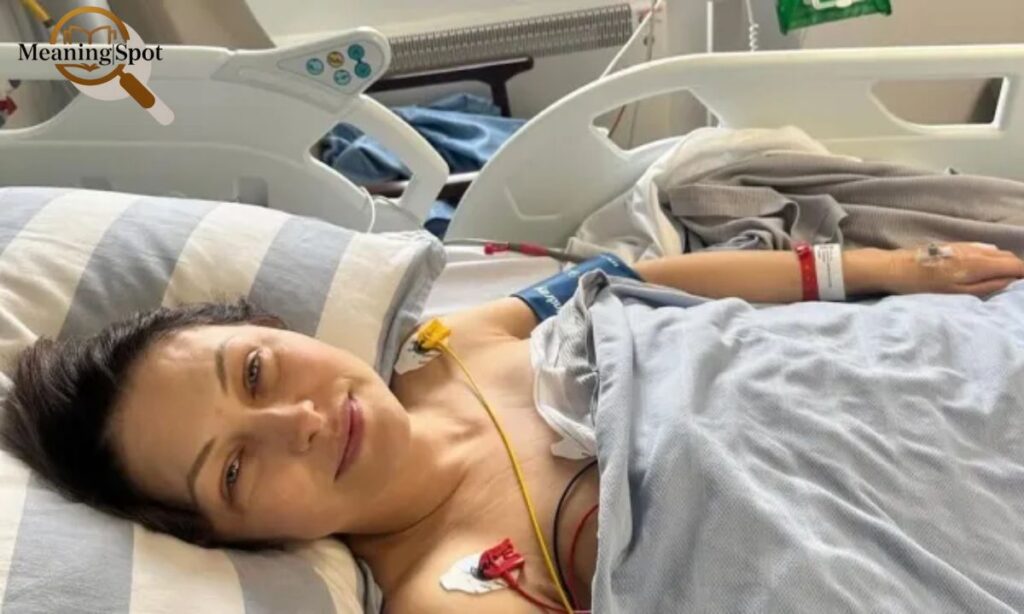
The former partner of Emily Willis has admitted her condition was ‘bad’ after she was left permanently disabled following a serious cardiac arrest last year.
Willis, real name Litzy Lara Banuelos, had been referred to the rehab centre Malibu Summit in January 2024 for drug addiction treatment, with her condition worsening while there.
The emergency services were called on 3 February, as she was suffering from hot and cold chills, tremors, increased heart rate, headaches, feeling ‘disoriented’ and difficulty walking.
However, Willis was not taken to hospital, and the following day she was found unconscious by rehab centre staff, with it taking between 30 and 40 minutes for paramedics to restore her heartbeat.
During this time, she suffered ‘irreversible’ brain damage, and when she woke up, she was in a ‘vegetative state’ where she was fully conscious but could neither move nor speak, which correlates to ‘locked-in syndrome’.
Her ex-partner, Mike Majlak, told Steve-O’s Wild Ride podcast last year about her condition, saying the two of them were ‘very close’ and praising Willis as a person.
He said: “It’s bad, actually. She was incredible. We had a really great friendship and relationship, but she had her own struggles, and she recently, while at rehab, fell into a coma, and she’s been in a vegetative state.”
Willis’ legal team recently provided an update on her condition to The Mirror US, saying that the 26-year-old ‘remains bedridden due to her neurological injuries’.
A diagnosis is not confirmed, though her lawyer, James A. Morris Jr, said that locked-in syndrome was a possibility, and he said she would be permanently paralyzed by the damage she has suffered.
He is representing Willis’ mother, Yesenia Cooper, as she is suing the rehab centre for ‘abuse of a dependent adult, professional negligence, negligence and fraudulent business practices’.
The lawyer said: “They should’ve transferred her to a hospital earlier and let the doctors put a feeding tube in her and treat her properly while she was still (coherent) and speaking and walking. Instead, they allowed her to have a say in her medical treatment, which is not what you do with somebody who is in severe health danger. She was in a very brittle place.”
The rehab centre claimed they couldn’t take Willis to the hospital without her consent.
Court documents say: “It is undisputed that during her stay, (Willis) had refused to follow medical recommendations and take her medications. She refused to go to urgent care or the hospital voluntarily, despite being encouraged to do so by (Summit Malibu).”
‘Locked-in syndrome’ explained as Emily Willis left ‘permanently disabled’ after cardiac arrest at rehab centre
Former adult star Emily Willis was left ‘permanently disabled’ and suffering from ‘locked-in syndrome’ after an incident at a rehab centre last year.
According to her family, Willis has been unable to move her body except for her eyes after a cardiac arrest left her starved of oxygen for a long period of time.
Her family provided an update on her health in May of last year, saying she had come out of a ‘vegetative coma’.
Her family wrote on a fundraiser: “Recently, Emily’s world, and ours, was turned upside down when she was admitted to the hospital, marking the beginning of an incredibly tough and unforeseen battle. With every ounce of her remarkable strength and bravery, Emily Willis is fighting.”
Her family recently filed a lawsuit with the Los Angeles Superior Court against Summit Malibu and its parent company Malibu Lighthouse Treatment Centers, LLC, as they have made allegations of ‘abuse of a dependent adult, professional negligence, negligence and fraudulent business practices’.
The documents claim that Willis was admitted to the rehab centre on 27 January 2024 for a ketamine addiction.
However, after arriving there, the documents claim that Willis’ condition worsened as she began to suffer from an increased heart rate, hot/cold chills, tremors, headaches, feeling ‘disoriented’, difficulty walking, and also vaginal pain.
But it was after a nurse was unable to take her blood pressure due to ‘dehydration’, and she allegedly failed to be taken to hospital on 3 February that she was ‘found unconscious’.
While paramedics administered CPR for between 30 and 40 minutes until her heartbeat was restored, the lawsuit claims that Willis was without oxygen for a long time and suffered ‘irreversible brain damage’.
Now, she is in a ‘vegetative state’ where she is conscious but cannot speak and can only move her eyes in what is known as locked-in syndrome.
What is locked-in syndrome?
As per the National Institute of Neurological Disorders and Stroke, locked-in syndrome is a ‘rare disorder of the nervous system’.
Programme Lead for Medical Science at the University of Chester in the UK, Dr Gareth Nye, told the Daily Star: “What we are seeing here is the damage to the brain following a lack of oxygen after the cardiac arrest. It is encouraging to see that she seems to be conscious, recognizes people and can track with her eyes. However, it is highly likely she is suffering from a condition called locked-in syndrome.”
Those with the syndrome may experience being ‘paralyzed except for the muscles that control eye movement’ or being conscious ‘and can think and reason, but cannot move or speak; although they may be able to communicate with blinking eye movements’.
What causes locked-in syndrome?
Causes of locked-in syndrome could be due to:
- A traumatic brain injury (TBI)
- Any diseases of the circulatory system
- Diseases that destroy the myelin sheath
- A medication overdose
There is no known treatment or cure for locked-in syndrome at present, and according to Brain and Spinal Cord, ‘it is incredibly unusual for someone with locked-in syndrome to make a significant recovery of motor function, although there are a handful of documented cases.’
Treatment for locked-in syndrome helps to make the patient more comfortable, and may also provide them with eye-tracking devices so that they can communicate.
“No patient should ever be subjected to such a horrendous breakdown in clinical care. Her health was ignored until it was too late, and now her life is forever changed,” the lawsuit claims.
“We hope this lawsuit will spur real change in how treatment centers handle critical cases. Too many patients who should be receiving life-saving interventions are being lost to negligence.”
Emily Willis court case could fall apart if adult star’s mum doesn’t meet 30 day deadline
The court case surrounding Emily Willis’ condition could fall apart if her mum doesn’t meet a 30-day deadline.
Once one of the biggest names in the adult film industry, the 26-year-old now lives in a ‘vegetative state’ as it’s said she may have ‘locked-in syndrome’.
Her mum, Yesenia Cooper, filed a lawsuit against the Summit Malibu rehabilitation centre where Willis suffered a cardiac arrest in 2024.
Santa Monica Superior Court Judge Mark A. Young ruled on Wednesday (18 June) that Cooper must provide more details to support her claim against the centre.
The clinic and its parent company previously filed something called a hearing on demurrer with motion to strike which essentially means they have requested specific parts or even the whole thing to be removed. It’s usually filed when a defendant believes at least parts of the case are too weak to meet the legal threshold.
What happened to Emily Willis?
Real name Litzy Lara Banuelos, she checked into Summit Malibu on 27 January 2024, seeking help for ketamine addiction.
It’s reported she had been left with side effects such as night terrors and urinary incontinence and was also suffering from major depressive disorder, anxiety disorder and PTSD.
The lawsuit reports her health deteriorated quickly and in February, she suffered a cardiac arrest. Nurses and paramedics administered CPR for around 40 minutes until she regained a pulse.
Willis was confirmed as ‘permanently disabled’ following the ordeal and can reportedly no longer move her body or speak but is conscious and able to move her eyes.
Why was the legal case launched?
Filed at the end of last year, it’s claimed Willis was left with inadequate care and that she was subjected to adult abuse, negligence and unlawful, unfair or fraudulent business practices.
The suit alleges: “Had the staff followed standard medical protocols, Emily Willis would have had the opportunity to regain control of her life.” It claims her ‘health was ignored until it was too late’.
“As a direct and proximate result of (Summit Malibu’s) neglect, abandonment, recklessness and negligence in failing to provide care and treatment for Litzy, she suffered irreversible brain damage and permanent physical and mental incapacity, pain, suffering and emotional distress, among other damages,” the suit states.
What has been required from Emily Willis’ mum?
Summit Malibu attorneys deny the star was the victim of dependent adult abuse and have asked the judge to dismiss this cause of action. Attorneys also say the complaint fails to state what could’ve been done when she refused staff’s recommendations to go to urgent care.
Cooper must now provide more details to support her claim of elder/dependent abuse against the rehab centre.
Court documents say the allegation doesn’t ‘establish any specific facts’ to show the defendants’ responsibility for meeting Banuelos’ ‘basic needs’.
It adds that the defendants accepted her ‘as a resident and undertook the duty to provide her with the care to which she was entitled’.
The documents continue: “None of these cited duties regard the basic needs of Banuelos that she would ordinarily be capable of managing without assistance. Otherwise, the complaint only proffers conclusions without specific facts showing the custodial or caretaking relationship.”
It says Cooper’s case needs to allege ‘additional facts’ which establish that: “Banuelos was, in fact, a dependent adult and that Defendant undertook a specific caretaking/custodial relationship to attend to a basic need.”
The family has been given a 30-day deadline to provide these additional details, and failure to meet this deadline could significantly weaken the strength of their case against Summit Malibu. The legal battle represents not just a fight for accountability in the case of Emily Willis, but potentially a precedent for how addiction treatment facilities handle medical emergencies and patient care across the country.
Doctor reveals devastating effects of daily 6g ketamine use after Emily Willis left ‘permanently disabled’
A doctor has revealed what taking six grams of ketamine every day can do to the body after former adult industry star Emily Willis was left with locked-in syndrome.
Willis, 26, has been unable to move her body except for her eyes after a cardiac arrest at a rehab centre in February 2024.
This is because it left her starved of oxygen for a long period of time, causing her to become ‘permanently disabled’.
Her family provided an update on her health in May after the incident occurred, saying she had come out of a ‘vegetative coma’.
Her family wrote on a fundraiser: “Recently, Emily’s world, and ours, was turned upside down when she was admitted to the hospital, marking the beginning of an incredibly tough and unforeseen battle.”
Sadly, Willis’ condition means that she can only move her eyes and is essentially paralyzed.
It happened after she had been admitted to the Malibu rehab centre in January 2024.
According to a new lawsuit brought forward by the family, she experienced a cardiac arrest and fell into a ‘vegetative coma’.
However, it alleges Willis had suffered ‘permanent physical and mental incapacity’, and accuses the facility of the ‘abuse of a dependent adult, professional negligence, negligence and fraudulent business practices’.
The lawsuit states that Willis was admitted to the rehab centre ingesting ‘five to six grams [of ketamine] per day for a year’.
According to the lawsuit, Willis was found unconscious after she was admitted to rehab, and that nurses and paramedics performed CPR for 30 to 40 minutes until they restored her heartbeat.
However, she now suffers from locked-in syndrome, a rare neurological condition which stops her from being able to move or speak.
Filed in Los Angeles Superior Court, her family believes that she had not received proper care during her stay.
She had also previously been diagnosed with mental health issues, including major depressive disorder, generalized anxiety disorder, and post-traumatic stress disorder.
How does taking six grams of ketamine a day affect the body?
Dr Suzanne Wylie, GP and medical adviser for IQdoctor, spoke about the impact of taking a constant stream of ketamine can have on the body.
Dr Wylie said that while the anaesthetic has both medical and recreational uses, it can have ‘significant and potentially irreversible effects on both physical and mental health’ if taken in excess over a prolonged period of time.
The bladder
She explained that excessive ketamine use can cause ‘severe’ damage to the bladder.
This is known as ketamine-induced cystitis.
“This can cause intense pain, urinary frequency, incontinence, and, in some cases, permanent damage requiring surgical intervention,” the doctor said.
The bladder damage that Emily Willis experienced was one of the many complications that arose from her heavy ketamine consumption. The urinary incontinence she suffered was a direct result of this bladder damage, making her daily life increasingly difficult even before the cardiac arrest occurred.
Stomach issues
It can also cause frequent experience of nausea, abdominal pain, and a condition sometimes referred to as ‘K cramps’.
For those who suffer with this, it can make eating and digestion painful. The digestive complications add another layer of suffering for individuals struggling with ketamine addiction, often leading to malnutrition and further health deterioration.
Liver, kidneys, heart and lungs
Also, due to the toxicity and organ dysfunction caused by prolonged ketamine use, liver and kidney function are hindered.
Ian Budd, pharmacist and medical adviser for Chemist4U, added: “The kidneys also suffer, as ketamine strains their ability to filter toxins, increasing the risk of infections and kidney failure. Similarly, the liver, which processes the drug, can become inflamed and scarred, reducing its ability to function properly.”
He said that chronic ketamine use can weaken the heart and lungs by raising blood pressure and heart rate.
Some who take ketamine in excess can experience breathing difficulties, particularly if they mix ketamine with other drugs like alcohol, Budd explained.
The impact on Emily Willis’ cardiovascular system was evident when she experienced the cardiac arrest that ultimately led to her current condition. The prolonged stress on her heart from heavy ketamine use made her particularly vulnerable to such a catastrophic event.
Cognitive issues
Dr Wylie went on to share that chronic ketamine use deteriorates a person’s cognitive abilities.

She said: “Dependence and tolerance can develop, leading to escalating use and an increased risk of psychiatric conditions such as depression, anxiety, and psychosis. Some users also report experiencing persistent dissociative symptoms or hallucinatory episodes even when not using the drug.”
According to Budd, it can also cause confusion, paranoia and mood swings.
“Over time, ketamine users may struggle to concentrate, process information or even feel connected to reality,” he said.
But it can also impact people’s wellbeing and their relationships.
“Given the serious health risks associated with such high levels of consumption, it is crucial that individuals struggling with ketamine dependence seek professional medical support as soon as possible,” Dr Wylie said.
The mental health challenges that Willis faced prior to her admission were compounded by her ketamine addiction, creating a complex situation that required careful medical attention and monitoring. Her pre-existing conditions of major depressive disorder, generalized anxiety disorder, and post-traumatic stress disorder made her recovery journey even more challenging.
| Emily Willis Ketamine Use Timeline |
| Daily Consumption: 5-6 grams per day |
| Duration: Approximately 1 year |
| Admission Date: 27 January 2024 |
| Cardiac Arrest: 4 February 2024 |
| Current Condition: Locked-in syndrome |
The devastating effects of prolonged ketamine abuse in the case of Emily Willis serve as a stark warning about the dangers of substance addiction. The combination of physical damage to multiple organ systems, mental health deterioration, and the ultimate catastrophic cardiac arrest demonstrates how quickly addiction can spiral into life-threatening consequences.
Medical professionals emphasize that anyone struggling with ketamine addiction or any substance abuse should seek immediate professional help. The earlier intervention occurs, the better the chances of preventing permanent damage. Treatment facilities must be equipped to handle the complex medical needs of patients withdrawing from heavy drug use, with protocols in place to recognize and respond to medical emergencies.
The case of Emily Willis also highlights the importance of family support and advocacy. Her mother’s determination to seek justice through legal action demonstrates the crucial role that loved ones play in protecting vulnerable individuals and holding institutions accountable for failures in care.
For individuals who may be struggling with similar issues, resources are available through addiction helplines, mental health services, and medical professionals specializing in substance abuse treatment. Early intervention and comprehensive care can make the difference between recovery and tragedy.
The tragedy that befell Emily Willis at such a young age underscores the serious nature of ketamine addiction and the critical importance of appropriate medical oversight during rehabilitation. Her story serves as both a cautionary tale about the dangers of substance abuse and a call to action for improved standards of care in addiction treatment facilities.
As the legal proceedings continue and as Emily Willis remains in her locked-in state, her case continues to raise important questions about patient care, medical responsibility, and the devastating consequences of both addiction and inadequate medical intervention. The hope is that her story will lead to meaningful changes that could prevent similar tragedies in the future.
Frequently Asked Questions
What is locked-in syndrome and how does it affect Emily Willis?
Locked-in syndrome is a rare neurological disorder where a person remains fully conscious but is completely paralyzed except for eye movements, making it nearly impossible to communicate or move.
How did Emily Willis develop locked-in syndrome?
She suffered a cardiac arrest at Summit Malibu rehab centre that deprived her brain of oxygen for 30-40 minutes, causing irreversible brain damage that led to locked-in syndrome.
What was Emily Willis addicted to before her cardiac arrest?
She was admitted to rehab for ketamine addiction, consuming approximately five to six grams of ketamine per day for about a year before her admission.
What did Mike Majlak say about Emily Willis’ condition?
Mike Majlak, her ex-partner, admitted her condition was “bad” and said she was “incredible,” describing how she fell into a vegetative state while at rehab.
Why is Emily Willis’ family suing the rehab centre?
The family is suing Summit Malibu for abuse of a dependent adult, professional negligence, and fraudulent business practices, claiming the facility failed to provide proper medical care when her condition deteriorated.
Can people recover from locked-in syndrome?
Recovery of motor function is extremely rare, though there are a handful of documented cases where patients regained some abilities, but full recovery is highly unlikely.
What are the main effects of heavy ketamine use on the body?
Heavy ketamine use can cause severe bladder damage, kidney and liver problems, heart complications, cognitive impairment, and can lead to mental health issues like depression and anxiety.
Final Thoughts
The tragedy that befell Emily Willis serves as a sobering reminder of the devastating consequences that can result from both substance abuse and inadequate medical care. Her story highlights the delicate balance required in addiction treatment facilities between respecting patient autonomy and recognizing when medical intervention becomes absolutely necessary.
The young woman who once had a full life ahead of her now faces an existence trapped within her own body, fully conscious but unable to communicate beyond limited eye movements. Her family continues to fight both for her care and for accountability from the facility they believe failed her.
As the legal case progresses and as Emily Willis continues her difficult journey with locked-in syndrome, her story stands as both a warning about the dangers of substance abuse and a call for higher standards in addiction treatment facilities across the country.

Emma is an author at MeaningsSpot, where she crafts unique and inspiring names that spark creativity. With over 3 years of content writing experience, she specializes in making words meaningful and memorable.